
As an Ebola outbreak continues to spread across parts of East Africa, researchers around the world are accelerating efforts to identify treatments that can effectively combat the virus responsible for the current wave of infections.
The outbreak has been linked to the Bundibugyo strain of Ebola, a less-studied species for which no specifically approved treatment currently exists. While modern supportive care has significantly improved survival rates compared with previous outbreaks, doctors still lack a therapy designed to directly target this particular virus.
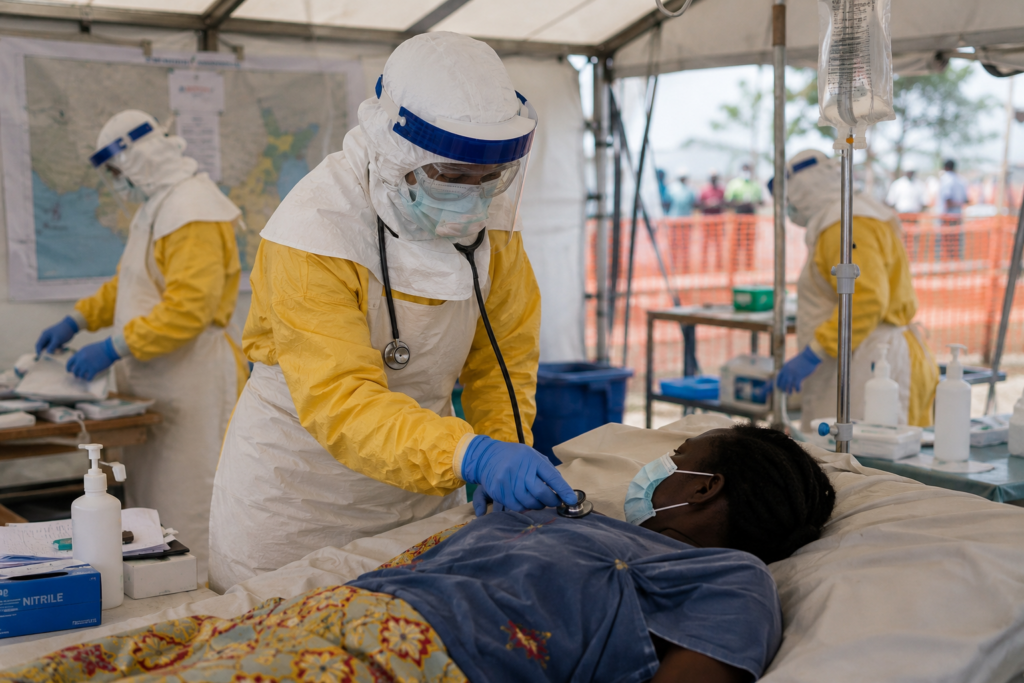
Health workers on the ground are relying on intensive supportive measures, including intravenous fluids, oxygen therapy, blood pressure monitoring and treatment of severe bleeding. These interventions have helped reduce mortality, but experts say a targeted antiviral or antibody-based treatment could dramatically improve patient outcomes.
Several experimental drugs are now entering clinical evaluation as scientists seek evidence that existing Ebola therapies may also work against the Bundibugyo strain. Preliminary laboratory and animal studies have produced encouraging signals, prompting researchers to move quickly into human trials where possible.
Public health specialists view the outbreak as a critical test of the global infectious disease response system built after the COVID-19 pandemic. International research networks are being mobilized to share data, coordinate studies and accelerate regulatory processes in hopes of delivering answers before the outbreak grows further.
Experts caution that medical breakthroughs alone will not stop the virus. Effective surveillance, rapid diagnosis, contact tracing and strong local healthcare systems remain essential components of any successful Ebola response. The results of ongoing trials may shape future strategies for managing one of the world’s deadliest infectious diseases.